
"Ethiopian cooperatives"
1000 article(s) found

Belekara Cooperative Yega Sheffield African boutique coffee Ethiopian flavor
Production area of Belekara Cooperative (1000-1400 m): Gedeo-Wenago Vina members: 685Land attribute: red brown soil can provide a set of treatment equipment certificates: Fair Trade Fair Trade, Organic Organic Coffee Raw Bean Annual output: 457000 kg average farm size: maximum 4 hectares, annual output per hectare is about 699kg.
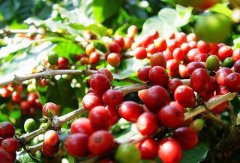
Ethiopian water-washed boutique coffee from the Yega Shirley Fidama Cooperative
There are eight major producing areas in Ethiopia: Ekempti, Limu, Illubabor, Djimma, Harrar, Teppi/Bebeka, Sidamo and Yirgacheffe. Yirgacheffe is located in the Gedeo region of southern Ethiopia, and the jurisdiction of this area is better known as Yegashafi and Kochere. Because of Yirgacheffe
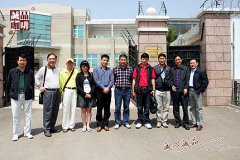
Ethiopia's admirable coffee country
In the world of coffee, there are countless stories and reports about Ethiopia: the birthplace of coffee, the story of shepherds, the thought-provoking documentary Black Gold, and so on. None of the above is an important reason for our visit. This time, we of Guangzhou Coffee Association (Lin Guangchao, Vice President Lin Yaohui, Vice President Xiao Fei, Vice President Tang Jinqing and Mr. Liang Rengming) are in Ethiopia.
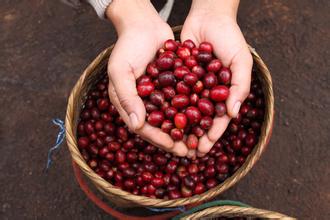
Characteristics of Ethiopian Yega Xuefei Coffee
At first, Yejassefi's coffee trees were planted by European monks, and later by farmers or cooperatives. Yega Xuefei is actually constructed by the surrounding coffee communities or cooperatives, including: Hafusha, Hama, Biloya. These mountain villages are foggy, like spring all the year round, with a gentle breeze in summer, cool but not hot, rain but not damp, and no cold damage in winter.
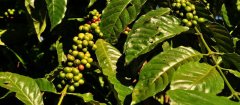
The export of Ethiopian coffee knows the main producing areas of Ethiopian coffee.
Coffee export coffee is Ethiopia's most important export cash crop and the main source of Ethiopia's foreign exchange earnings. Ethiopia's coffee exports account for about 3% of the world market, making it the eighth largest coffee exporter in the world. Coffee exports increased steadily from 58000 tons in 1990 to 110000 tons in 1995-1996 and remained at this level in the following years. two

Introduction to the grinding scale of the fresh and bright flavor description method of Ethiopian coffee manor
Yega Xuefei's coffee trees were planted by monks in Europe and later transferred to farmers or cooperatives. Yega Xuefei is actually constructed by the surrounding coffee communities or cooperatives, including: Hafusha, Hama, Biloya. These mountain villages are foggy, like spring all the year round, with a gentle breeze in summer, cool but not hot, rain but not damp, and unique in winter.
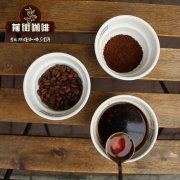
The Ethiopian Coffee Guide gives you a 5-minute understanding of the origin of coffee
Ethiopia is recognized as the birthplace of coffee and is highly respected in the specialty coffee industry. Coffee beans from this country are the staple food on the menu of coffee shops around the world. But why is Ethiopian coffee so well received? How much do you really know about this origin? Coffee production areas in Ethiopia vary widely from region to region, micro-region and even from farm to farm.

Sidamo good Coffee Ethiopian Water washing Sidamo Coffee Coranshi Cooperative
Communication of professional baristas Please follow Coffee Workshop (Wechat official account cafe_style) Coffee Story Ethiopia is the birthplace of coffee and Sidamo is an important coffee export province, because of the topography, soil composition and regional microclimate, the taste of coffee beans grown in each town area of the province varies slightly. Washing Sidamo is a typical boutique coffee.

Ethiopian coffee producing area Kafabita Manor, Sun Haloba, Kochel Water Dou ha
Professional coffee knowledge exchange more coffee bean information please pay attention to the coffee workshop (Wechat official account cafe_style) Ethiopia Mokahara production area, Sidamo coffee production area characteristics? Kafa Forest Bita Manor Sun Bean flavor and taste? Ethiopian coffee can be divided into several main producing areas: Haramoka (sun), Kafa virgin forest (sun), and west.

Introduction to the grinding scale of varieties produced by the flavor description method of Ethiopian Lion King Coffee Bean
Ethiopian Lion King Coffee Bean Flavor description treatment Variety Grinding scale in producing areas Coffee flavors in Sidamo are very diverse, with different soil types, microclimates and countless native coffee varieties, which makes the coffee produced in each town have obvious differences and characteristics. In 2010-12, it won the authoritative coffee review website coffee review in the United States for three times in a row.

The Ethiopian raw bean Yega Shefia Damei Cooperative belongs to the Vanaguo producing area in Ethiopia.
In addition to the small town of Yega Xuefei, it also includes three by-product areas such as Wenago, Kochere and Gelena/Abaya around it. 1. Planting system and environment the mountain stream village in the Yega Xuefei producing area is cool and foggy, like spring all the year round, with a gentle breeze in summer, cool but not hot, rain but not damp, and no cold damage in winter, which is the best environment for planting Arabica. There are no large coffee plantations, coffee.

YCFCU Fine Coffee Raw beans Ethiopian Water washes G2 Grade Raw beans from Yega Sheffidama Cooperative
Coffee beans details: country: Ethiopia level: G2 producing area: Yegasuefi area Dama Village altitude: 1800-2200 m treatment method: washing variety: local native species (Heirloom) producer: Dama cooperative flavor: lemon peel, black tea, dried longan, Huaxiang Isopia there are eight major producing areas: Ekempti, Limu, Illubabor, Dji

Introduction to the flavor test of Ethiopian Sidamo coffee cup. Why is it called the Lion King?
Professional coffee knowledge exchange more coffee bean information please follow the coffee workshop (Wechat official account cafe_style) Ethiopian Coffee Sidamo Lion King _ washed coffee beans Ethiopia Sidamo G1 Lion King consecutive cup test score of 9294! The coffee flavor of Sidamo is very diverse, with different soil types, microclimate and countless native coffee species.
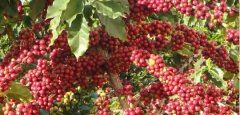
Detailed introduction of Yega Sheffield-Michelle Michelle Coffee Cooperative
Professional barista exchanges please follow the coffee workshop (Wechat official account cafe_style) Ethiopia Yega Xuefei-Michelle Michelle Coffee Cooperative Ethiopia is the country where coffee was first discovered, there is still a lot of wild coffee for farmers to harvest in the virgin forest, this is a country with poverty, drought and civil war, but it is still in terms of coffee quality and output.

Belekara Cooperative Yejia Shefei Gedeo-Wenago Vinago Ethiopian Coffee Bean
Sasa Sestic, winner of the 2015 World Barista Competition, started a green bean shopping project called Project Origin three years ago with his business team ONA Coffee. The project works directly with coffee farmers in poor countries and regions to improve their production conditions and pay them 20% above fair trade prices. Belekara Cooperative

Hafursa cooperative Yega Sheffield Ethiopian boutique coffee African flavor
Unlike ordinary African coffee, Sidamo has clear acidity, smooth taste and delicate floral smell. Washing Sidamo is elegant and playful. The entrance is mild and pleasant, with a strong taste impact with the bright lemon acid later on. The palate is unique and mellow, with a chic and pleasant aftertaste. The slowly rising finish contains chic sweetness. Coffee and raw beans are grayish

Arabica Coffee Tree Resa Cooperative Ethiopian Fine Coffee
Today, there are still a large number of wild Arabica coffee trees growing in many parts of Ethiopia, averaging between 4200 and 6800 feet above sea level. Now there is a trend of small cultivation, generally planting banana trees for shade at the same time, but due to lack of agricultural technology, herbicides and pesticides are less used. Resa cooperative (1000-1400 meters) belongs to the production area: Gedeo-Wen

Name and introduction of Ethiopian Coffee Cooperative Organic Coffee African Fine Coffee Flavor
Production area of Sigiga Cooperative (1600-2500 m): Gedeo-Kochere Cochel members: 1862 people Land attribute: red Brown soil Certificate: Fair Trade Fair Trade, UTZ Sustainable cultivation, Organic Organic Coffee Finchewan Cooperative (1450-2000 m) production area: Gedeo-Wenago Vina members: 1271 people Land attribute: reddish Brown

SCFCU Story of the West Dharma Coffee Farmers' Cooperative Union of the Ethiopian Coffee Farmers' Cooperative Union
Professional coffee knowledge exchange more coffee bean information please follow the coffee workshop (Wechat official account cafe_style) Sidama province is located in southern Ethiopia, it is second only to Yirgacheffe YCFCU, dry / rich fruit aroma, a little floral, classic citrus peel, grapefruit flavor for acid and layers to create smooth lines surprisingly clean and pure

How Ethiopian coffee is graded why Ethiopian coffee beans vary in size
Professional coffee knowledge exchange more coffee bean information please follow the coffee workshop (Wechat official account cafe_style) Ethiopia is the hometown of Arabica coffee, it is in Ethiopia's Kaffa region of the forest, you can see wild Arabica coffee. In Ethiopian, coffee is called Bun or Buna, coffee beans (coffeebean